By Jonathan Anthony Burkett
Original reflections | October 17, 2026
A family tradition often begins as a particular way of doing something: a meal, a gathering, a song, a visit, or a call at a familiar time. Repetition gives the action meaning. Eventually, however, the circumstances around it may change. People move, work different hours, grow older, or want to participate differently. The difficult conversation comes when changing the arrangement feels to somebody like changing the love that the arrangement once expressed.
It can help to ask what the tradition is carrying before deciding which details must remain. Is it a way to welcome someone, remember a person, share a skill, or simply spend time together? The answer does not make every practical choice easy. It gives the family a purpose to discuss. An arrangement can then be judged partly by whether it still serves that purpose for the people living with it now.
What do we want to keep?
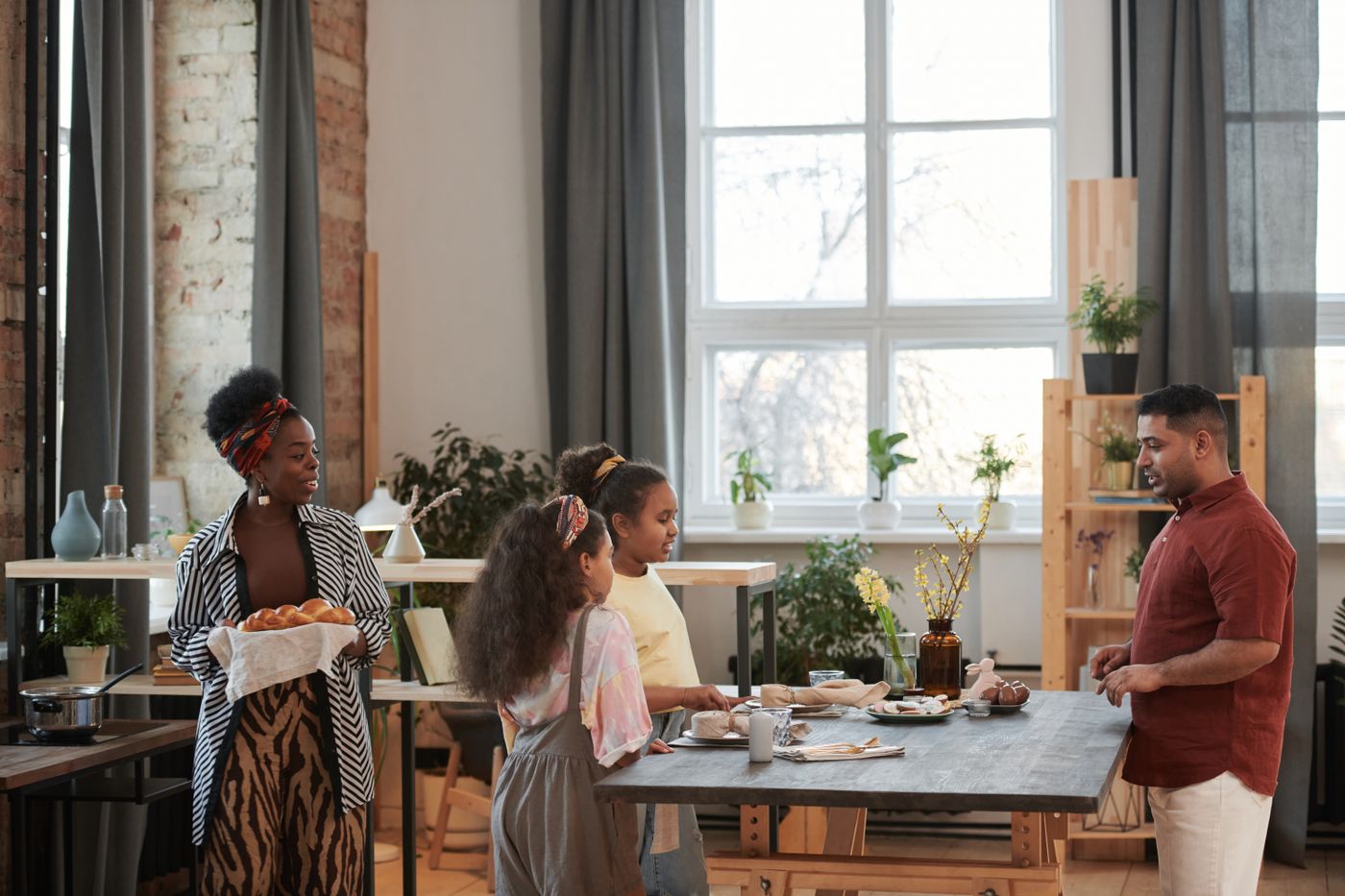
Imagine a family that has always gathered around a particular meal. This is a hypothetical example, not an account of my relatives. One person values the recipe; another values the chance to sit together; someone else treasures helping in the preparation. If those differences remain unspoken, a small change can appear much larger than it is. Naming the meaning allows people to understand which part of the gathering each person is afraid of losing.
The question should have room for more than one answer. A tradition can carry several meanings at once, and no single participant owns the explanation for everybody. Somebody who joined the family more recently may experience the occasion differently from somebody who remembers its beginning. Neither perspective needs to erase the other. A shared practice becomes more generous when people can say what it means to them without being corrected for having the wrong memory.
Keeping a tradition may also involve recording a detail rather than insisting on repeating the entire event unchanged. A recipe can be written down with permission. A song's title can be saved. A person can explain how a custom began, while acknowledging where their knowledge ends. Those acts preserve something useful without pretending that a record can replace the people involved or dictate every future version of the occasion.
Who does the repeating require?
A cherished occasion may depend on work that has become almost invisible. Somebody organizes, shops, prepares a room, coordinates transport, or cleans afterward. Before asking whether the tradition can continue, ask how those tasks are distributed. An event does not become sustainable merely because the people attending love it. The arrangement also has to make sense for the people whose time and effort bring it into being each time.
That discussion deserves specifics. An offer to help is easier to use when it identifies a task and a time. It is less useful when the usual organizer must still remember everything, assign every action, and check whether it was completed. Sharing responsibility can mean learning part of the process well enough to carry it independently. The knowledge itself becomes something handed on, alongside whatever object, food, or story the tradition celebrates.
There may be sadness in admitting that an old arrangement asks too much of someone now. A family can acknowledge that sadness without using it as a reason to insist. Gratitude for what a person has done should leave room for their circumstances to change. Otherwise, appreciation begins to function as a request for endless service. Love is better expressed by noticing the person who has been maintaining the practice, not only the practice they maintain.
Can the invitation leave room for an honest answer?
Participation feels different when a person can explain a limit without being accused of rejecting the family. A shorter visit, a different contribution, or an occasional absence may be what is realistically possible. The appropriate response depends on the relationship and circumstances. Still, an invitation should help someone understand what is being proposed and allow them to answer truthfully. An answer obtained through guilt does not tell us very much about what would make the gathering meaningful.
Children and younger relatives may want a part in shaping an occasion rather than only carrying out a version designed before they were born. Ask what they enjoy and what they would add. That does not require surrendering every familiar detail. It makes room for a tradition to become part of their own lives. Something can be inherited with affection and still be understood differently by the next person who chooses to continue it.
For relatives who live apart, the practical form may need to change more substantially. A shared call is not identical to sitting at the same table, and it does not have to pretend to be. It can have its own shape, duration, and purpose. The aim is to find an arrangement people can actually join, rather than making a distant participant feel that every available alternative is automatically a lesser expression of care.
Try a version before declaring a permanent rule
A proposed change can be treated as an experiment for one occasion. The family can agree on what to try and talk afterward about what worked. That makes the discussion more concrete than predicting that any alteration will ruin everything or solve every difficulty. People may discover that a small adjustment preserves the part they value most. They may also discover a problem that needs another attempt. Both outcomes offer information.
Afterward, ask questions that leave room for an unflattering answer. Was the timing manageable? Did somebody still carry more work than expected? Was there enough space for the quieter person to participate? A pleasant photograph cannot answer those questions. The people involved can. Let their answers influence the next arrangement, even if it means changing a detail that looks appealing from outside the gathering but does not work well for those inside it.
My books page introduces work concerned with relationships, faith, and perseverance. This reflection offers no invented family memory or scene from a novel. It asks an everyday question that readers can bring to their own circumstances: are we preserving an act of love, or asking people to preserve its old shape after that shape has stopped making room for them? The distinction is worth considering gently.
A living tradition does not need to survive every change without alteration. It needs people who can choose to give it meaning again. That choice may look familiar, or it may require a different meal, a shorter visit, a new location, or another person learning the work. Let the affection be clear enough to travel through the change. The form can be adjusted while the welcome remains something people recognize and want to offer one another.
#upstormed #jonathananthonyburkett #jonathanburkett #FamilyTraditions #FamilyLife #Belonging
Comments
Post a Comment