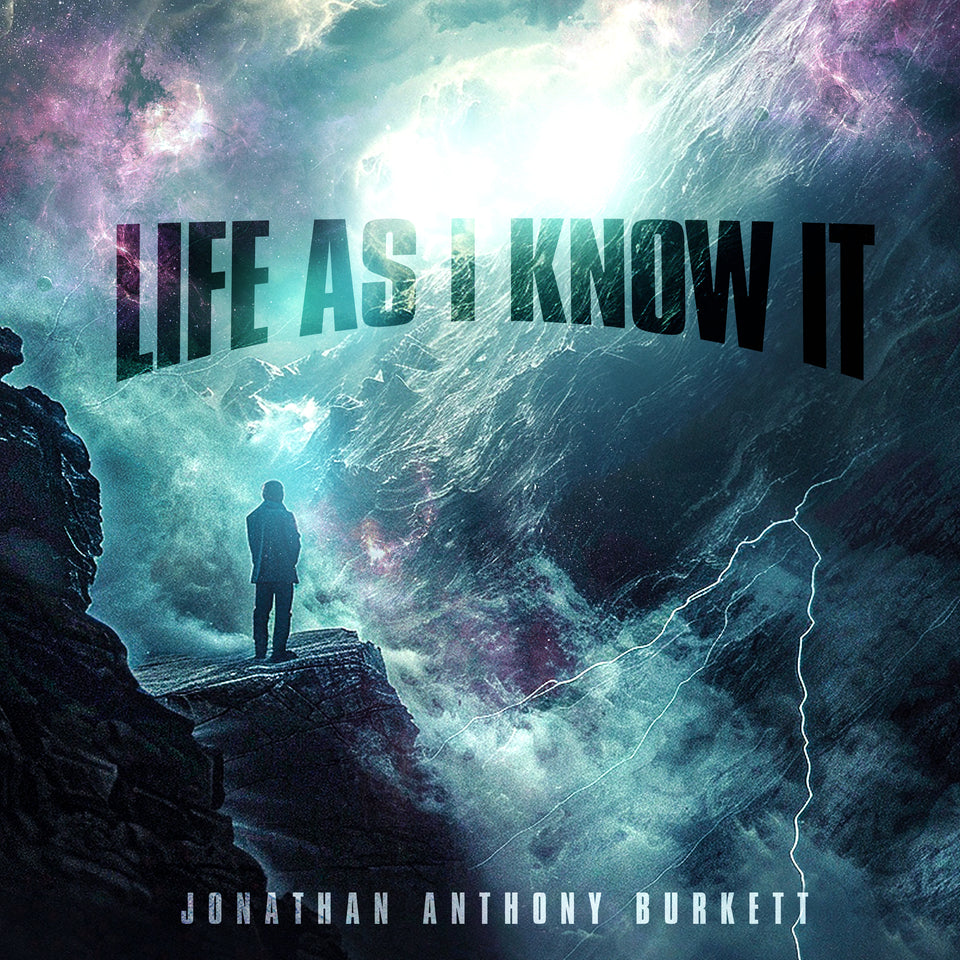
By Jonathan Anthony Burkett
Reflections and reading prompts | October 16, 2026
The first response to music often arrives before the explanation. A listener notices a sound, a change in pace, or the impulse to return to a moment. Then the pressure to describe the whole release can arrive too quickly. Was it good? What did it mean? Where does it belong? A listening journal offers another approach. It lets a person preserve the first encounter without requiring an immediate verdict, and return with enough detail to notice something different.
My official music page lists Life As I Know It as an EP dated April 1, 2024. The official release page provides a route to the music. This is a feature about an existing catalog title, not an announcement of a new release today. The prompts below invite readers to listen for themselves. They do not report listening impressions, song lyrics, production credits, or private intentions that have not been verified for this article.
Give the first encounter a reasonable setting
Choose a time when the music can receive some attention. The ideal setting will differ from one listener to another. Someone may prefer headphones, another a familiar speaker, and another a quiet moment while traveling. Describe the actual setting in the journal if it seems relevant. A first response heard through a small device in a noisy room is still a real response. It simply comes with conditions that may shape what can be noticed.
The journal need not begin with technical vocabulary. Write what drew your attention and where it happened. A note can be as modest as a time marker and a description of a change you heard. Use your own language. The purpose is to preserve an observation that can be revisited, rather than perform expertise for a future reader. If the term you want is unfamiliar, a plain description is often more useful than a confident word used without knowing what it means.
Separate an observation from an interpretation
An observation describes something the listener can point back to in the recording. An interpretation proposes what that feature means or does. Both belong in a music conversation, but keeping them distinct makes the conversation clearer. A person might notice that the sound becomes less dense at a moment and interpret that change as creating space. The example explains a listening method; it is not a claim that this particular moment occurs anywhere on Life As I Know It.
A journal can give each kind of note its own sentence. First describe the feature. Then describe your response, using language that makes its personal character clear. Another listener may hear the same feature and respond differently. That difference is an opening for discussion, not automatic proof that someone listened incorrectly. Comparing the observation and the response can reveal whether the disagreement concerns what was heard, how it was understood, or what each person values in a musical experience.
Let a second listen ask a different question
Instead of repeating the demand to decide whether you like the release, choose a narrower focus for a return. You could attend to the movement between sections, the relationship between voice and accompaniment, or the way one track leads into another. These are optional prompts for any relevant listening encounter. Let the actual recording determine whether a particular question is useful. A method that forces the music to fit an expected pattern can become another way of failing to hear it.
Keep the first notes when the second ones differ. A changed response does not make the earlier response dishonest. Familiarity, setting, and a different focus can alter what becomes noticeable. The useful question is what produced the change. Perhaps a feature that first seemed dominant no longer holds the foreground. Perhaps an unnoticed transition now matters. A specific account of that movement says more than a general declaration that the music grew on you or failed to improve.
A title can invite a personal question
Life As I Know It can also serve as a private writing prompt, provided the listener keeps their own reflection separate from a claim about the artist’s intent. What belongs in your account of life as you currently understand it? Which ordinary detail would you include? Which belief has changed? The title can begin those questions without answering them. A reader should not turn a personal association into an invented explanation of why a song was written or which event inspired it.
This distinction is especially useful when music accompanies a meaningful period in a listener’s life. The connection may be important to the listener even if it has nothing to do with the circumstances of the recording. Describe that connection in its proper terms. You can say what the music accompanied for you without claiming access to someone else’s memories. Personal meaning becomes more credible when it remains attached to the person whose experience is actually being described.
Share a route into the music, not a borrowed identity
When recommending a catalog release, identify the title, artist, and official destination accurately. A direct link lets another person encounter the work instead of relying entirely on the recommendation. There is no need to label an older release brand new because it is new to you. Discovery and release date describe different events. Keeping both clear respects the catalog and makes the recommendation more useful to someone trying to locate the right work.
If you discuss the recording publicly, share a few grounded observations and make room for another person’s response. Avoid inventing chart positions, tour plans, credits, or lyrics to make the recommendation sound more complete. The official Upstormed Records blog and release pages are places to check for announcements; this article makes no claim that an additional announcement has appeared today. An honest invitation to listen can stand on its own without the borrowed urgency of unverified news.
A listening journal can stay entirely private, or become the beginning of a more thoughtful conversation. Its value comes from keeping attention close to the encounter: what you heard, what you thought, what changed, and what remains a question. Life As I Know It is available as an existing EP in the official catalog. Let that verified starting point lead to your own listening, and let your description earn its confidence through details you can actually return to and hear.
#upstormed #jonathananthonyburkett #jonathanburkett #LifeAsIKnowIt #JonathanAnthonyBurkettMusic #ListeningJournal
Comments
Post a Comment